All three pillars share the same foundation: the model is calibrated against measured data before it is used to draw conclusions. The difference lies in the need: a diagnosis, a new design, or a tool that supports continuous operation.
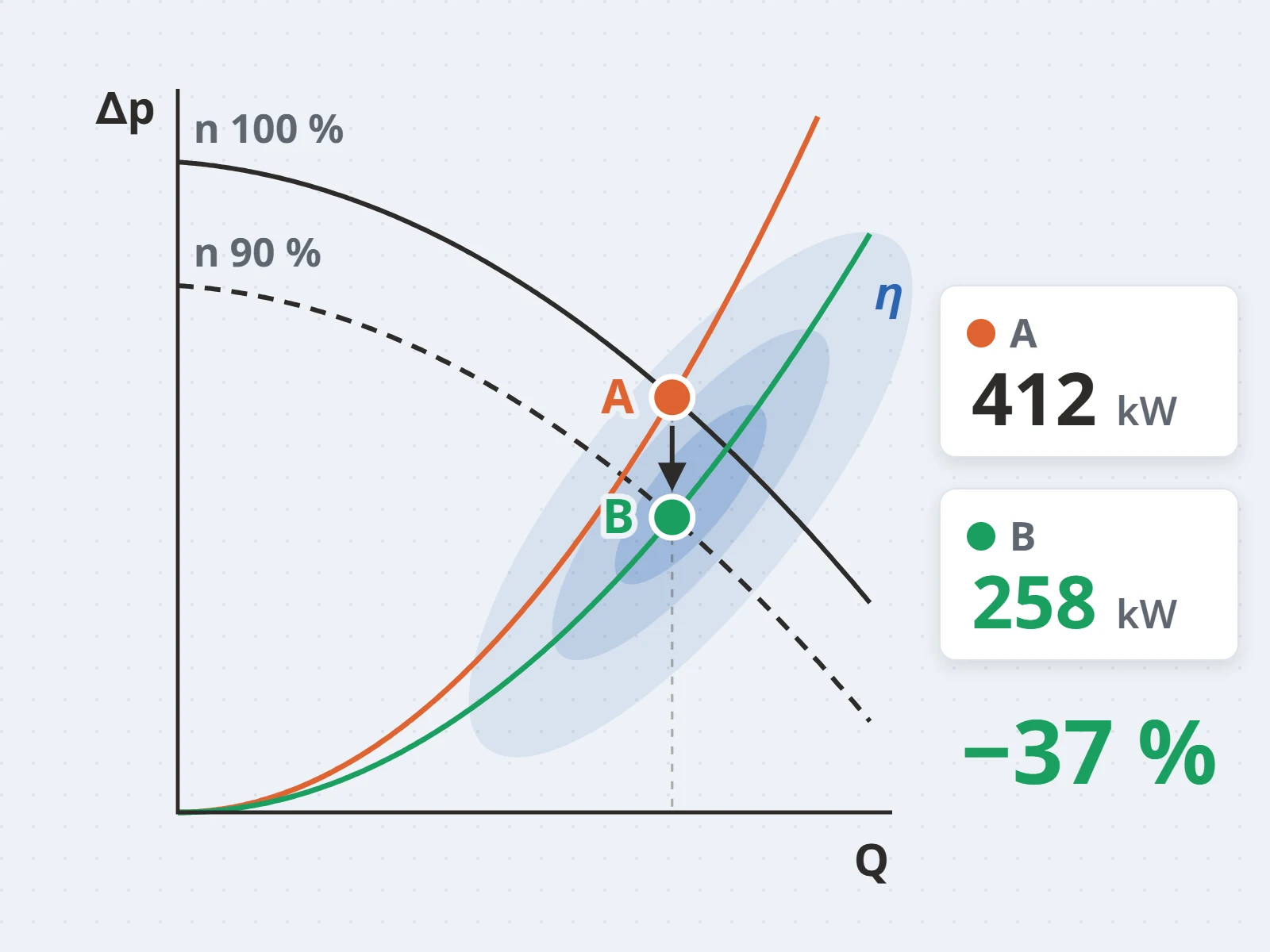
The equipment runs but underperforms: high consumption, skewed distribution, emissions over the limit. We start with on-site measurement and diagnosis; simulation is used to trace the root cause.
Performance engineering →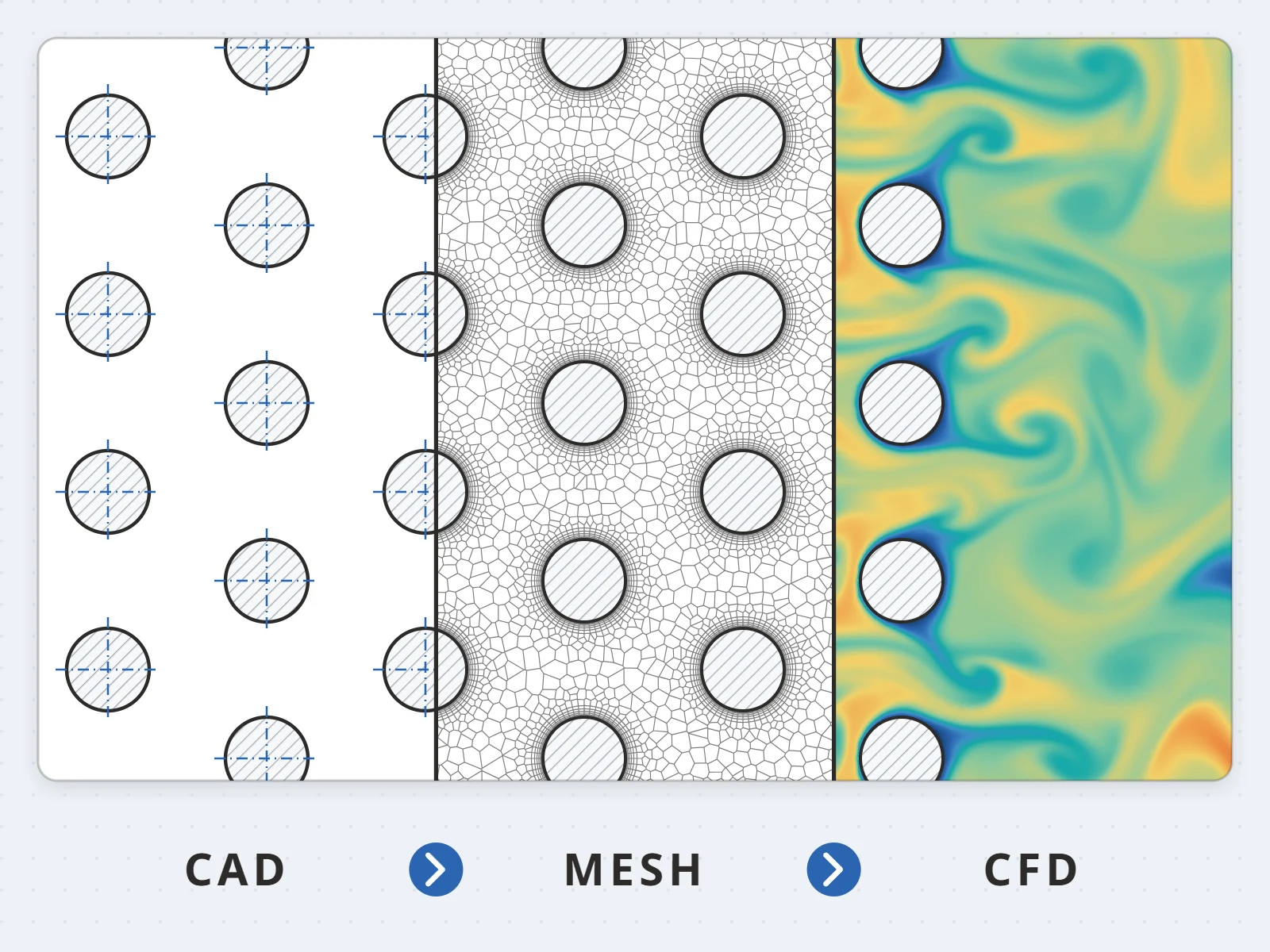
The equipment is not yet built, or the retrofit option is not yet verified. Test it virtually before investing in hardware, comparing KPIs across options on the same model.
Simulation & virtual engineering →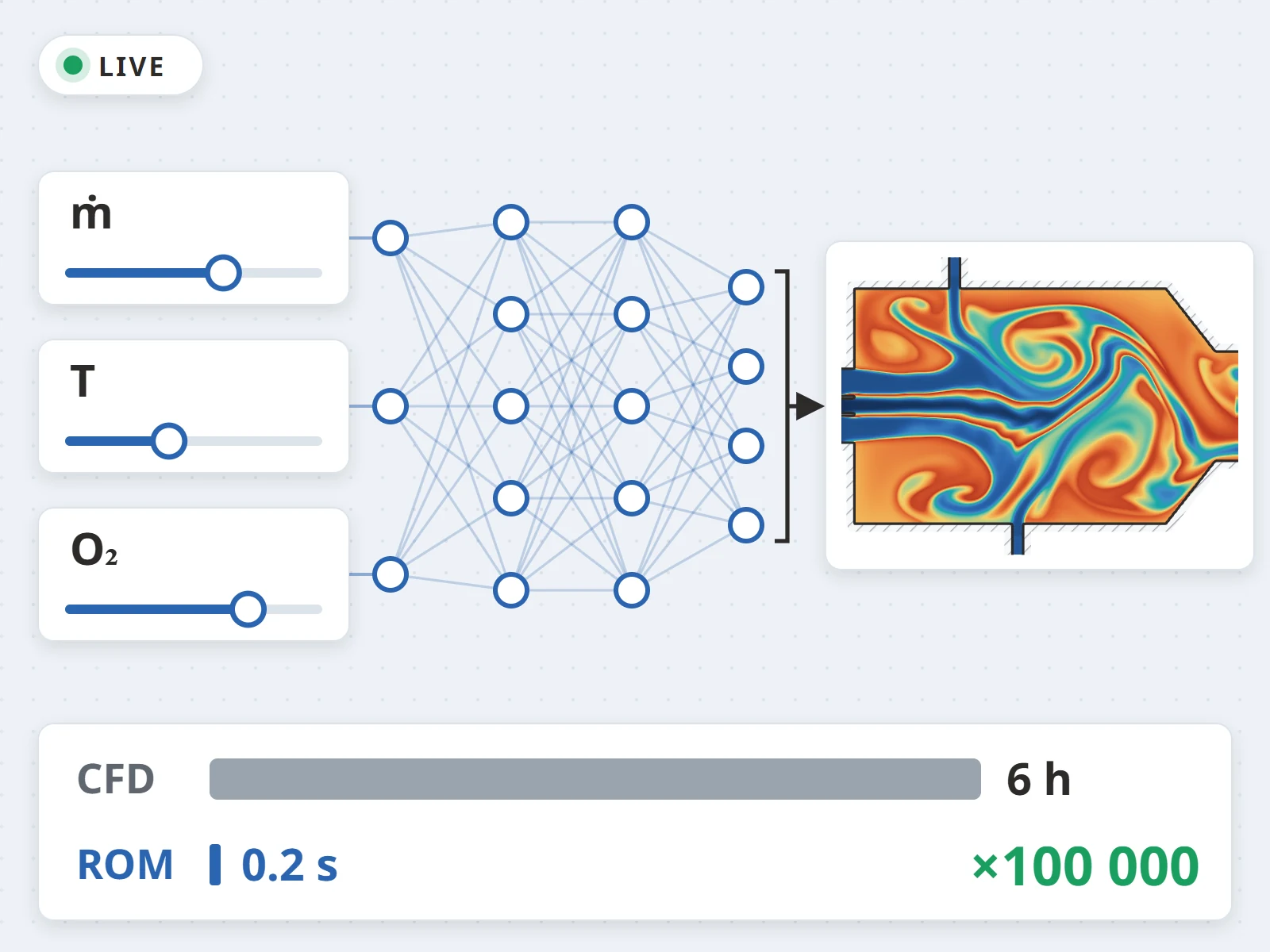
A simulation answers once; operation needs answers continuously. We turn the engineering model into a tool that runs every day on live operating data.
Digital twin & Engineering AI →Whether you need one answer, a design or a tool that runs daily, the model goes through these four steps before it is used to draw conclusions.
Drawings, operating conditions, on-site measurements — CFDWAYS provides the minimum checklist.
The model is used only after it matches existing measurements; the error is reported with the results.
Retrofit or new-design options run on the same model with the same KPI set.
KPIs measured after the retrofit are compared with the prediction; these are the figures on the project cards below.
Three representative projects — the problem, the approach and the outcome measured afterwards.
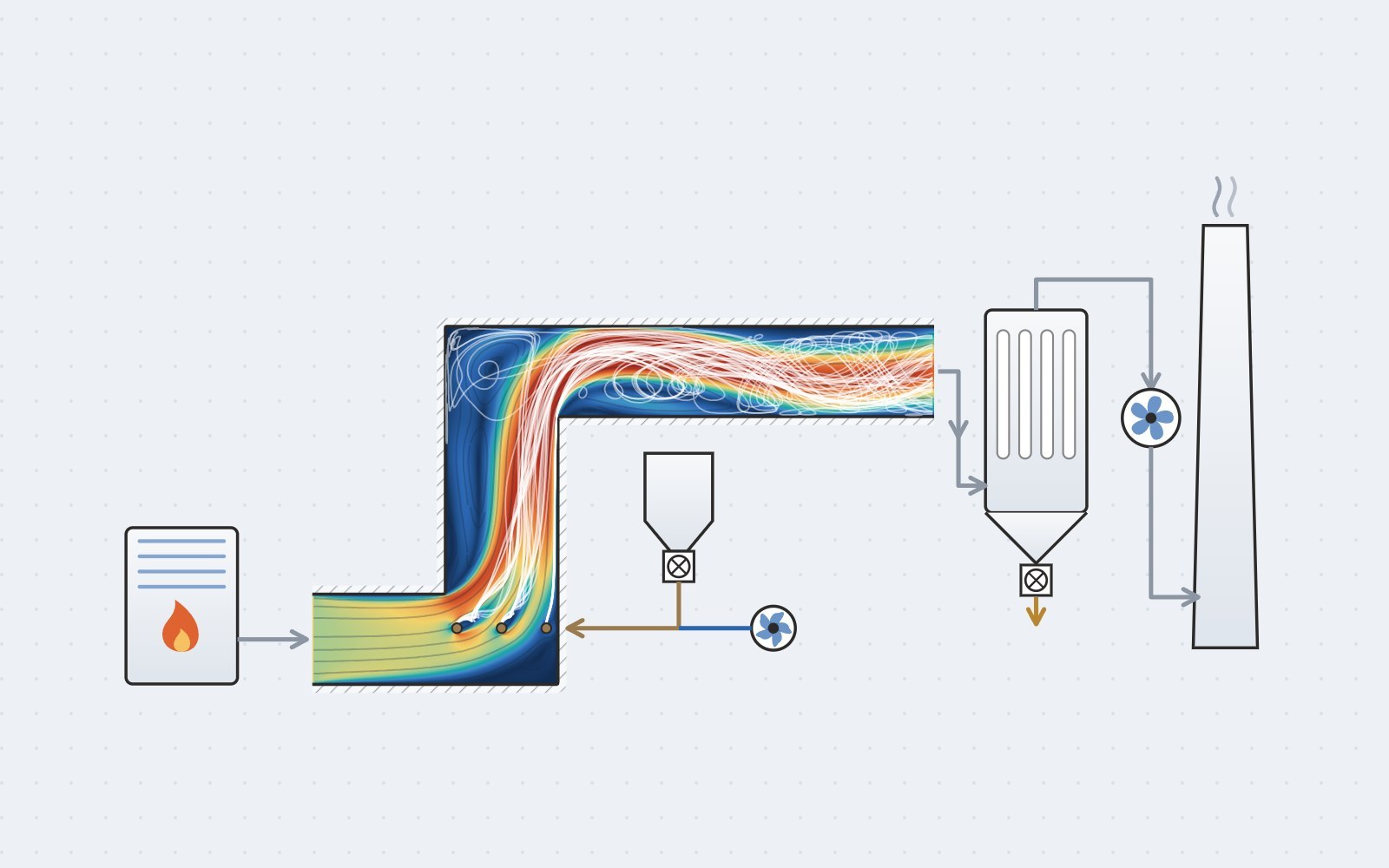
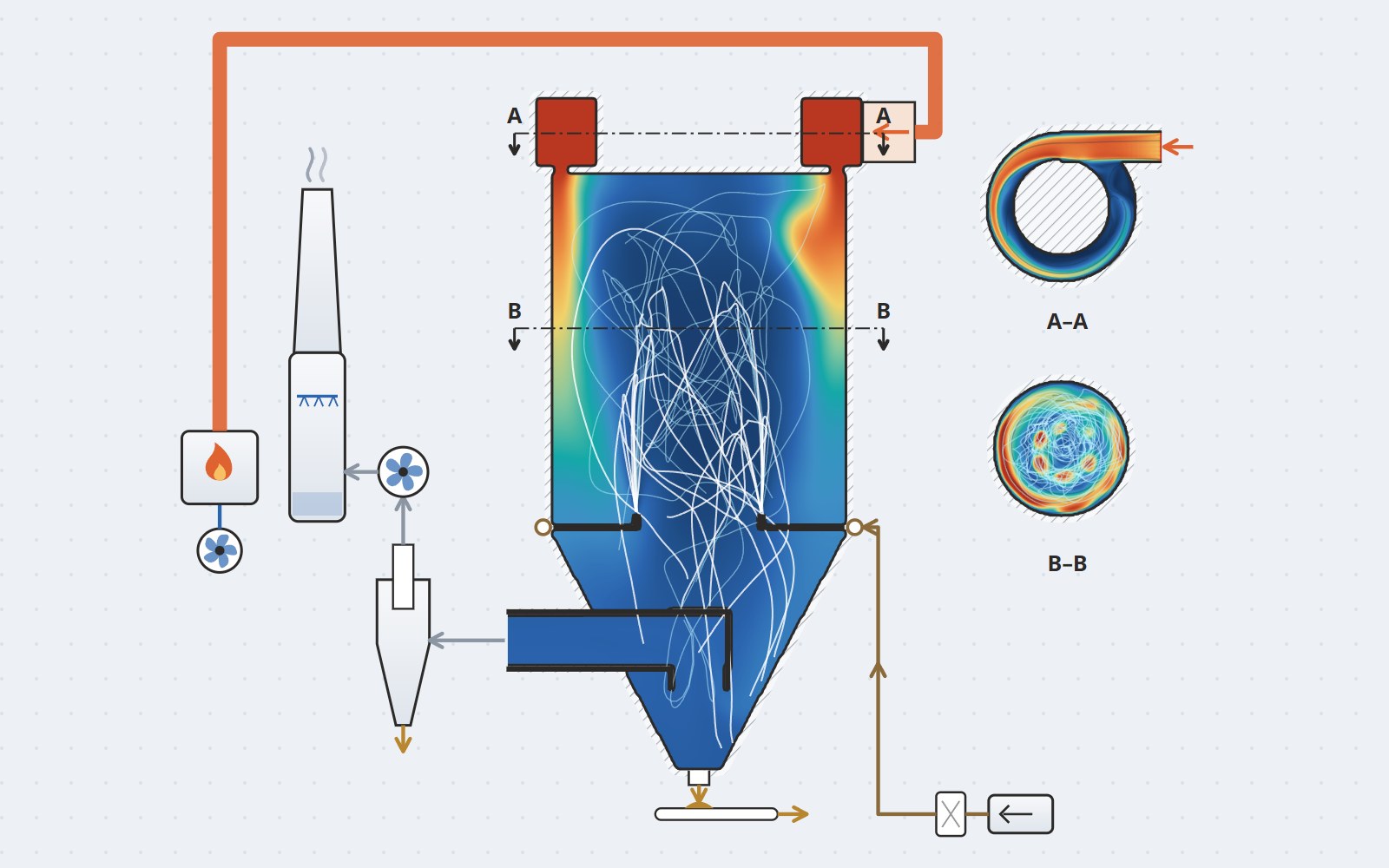
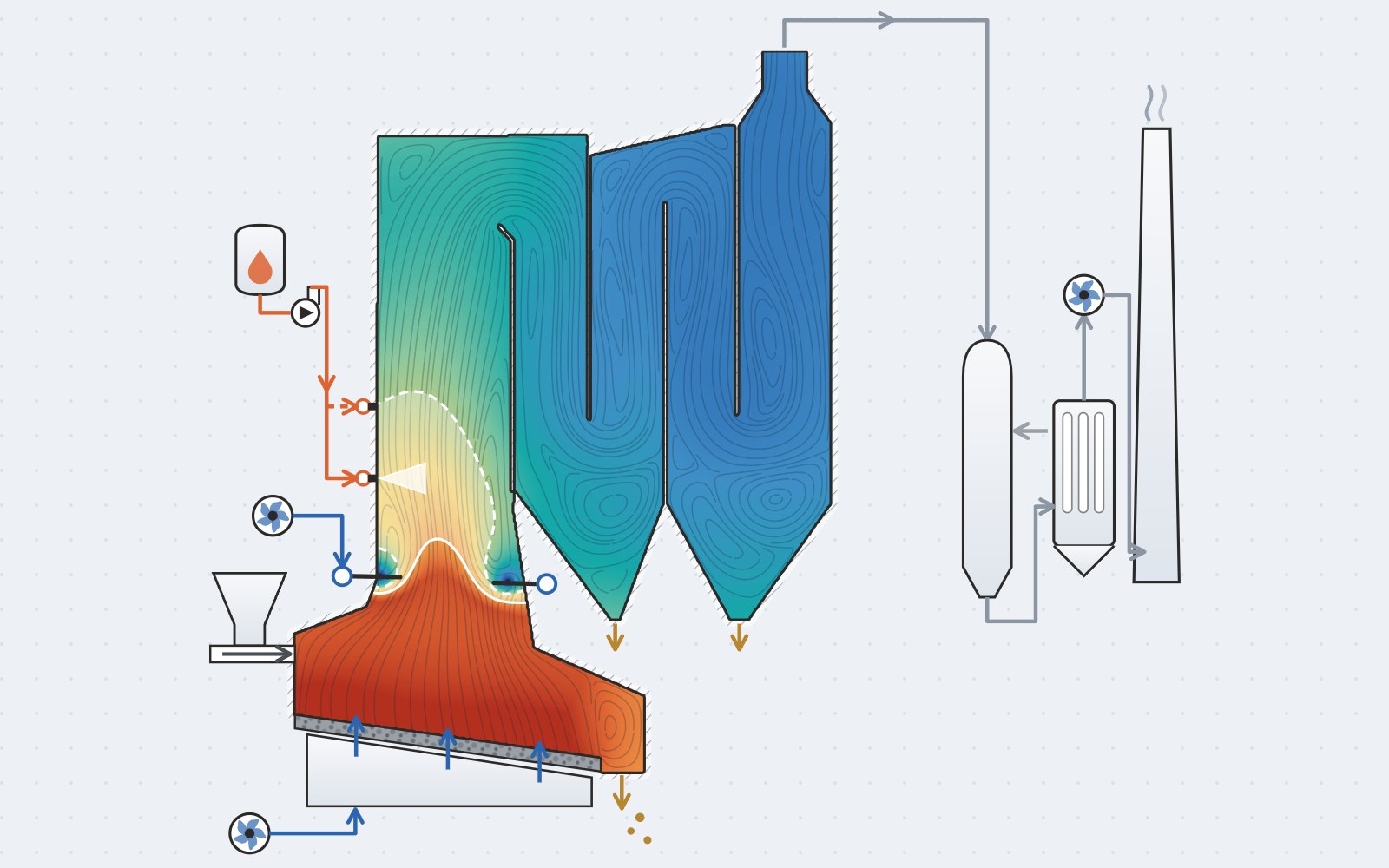
Already know which equipment has the problem? Each of the seven groups below has a deployed model, an established approach and documented results.
CFDWAYS is a Software Partner of Siemens Digital Industries Software — we distribute the Simcenter suite in Vietnam and use these tools in our daily engineering work.
Describe the equipment and the symptoms. CFDWAYS replies within 24 working hours with a suitable approach, the data required and an expected timeline.

