For equipment not yet built, or a retrofit that still lacks a sound basis to proceed. Virtual testing compares the options on one validated model before any investment in hardware.
In industrial projects, CFDWAYS applies the same classes of models the team has published in international journals.
Flow distribution, pressure loss, heat exchange, shape optimization of flow-guiding parts.
Gas–solid, gas–liquid, evaporation–condensation; combustion models and SOx/NOx removal reactions.
Flow coupled with thermal stress and structure where the deformation feeds back into the flow.
Read the ESP retrofit case study → · The team's publications →
CFD answers questions inside one piece of equipment. System simulation answers questions between them — when the problem is the balance of the whole plant rather than one combustion chamber.
The computer searches for options and takes on most of the trial-and-error loop. Only the settled option goes to site.
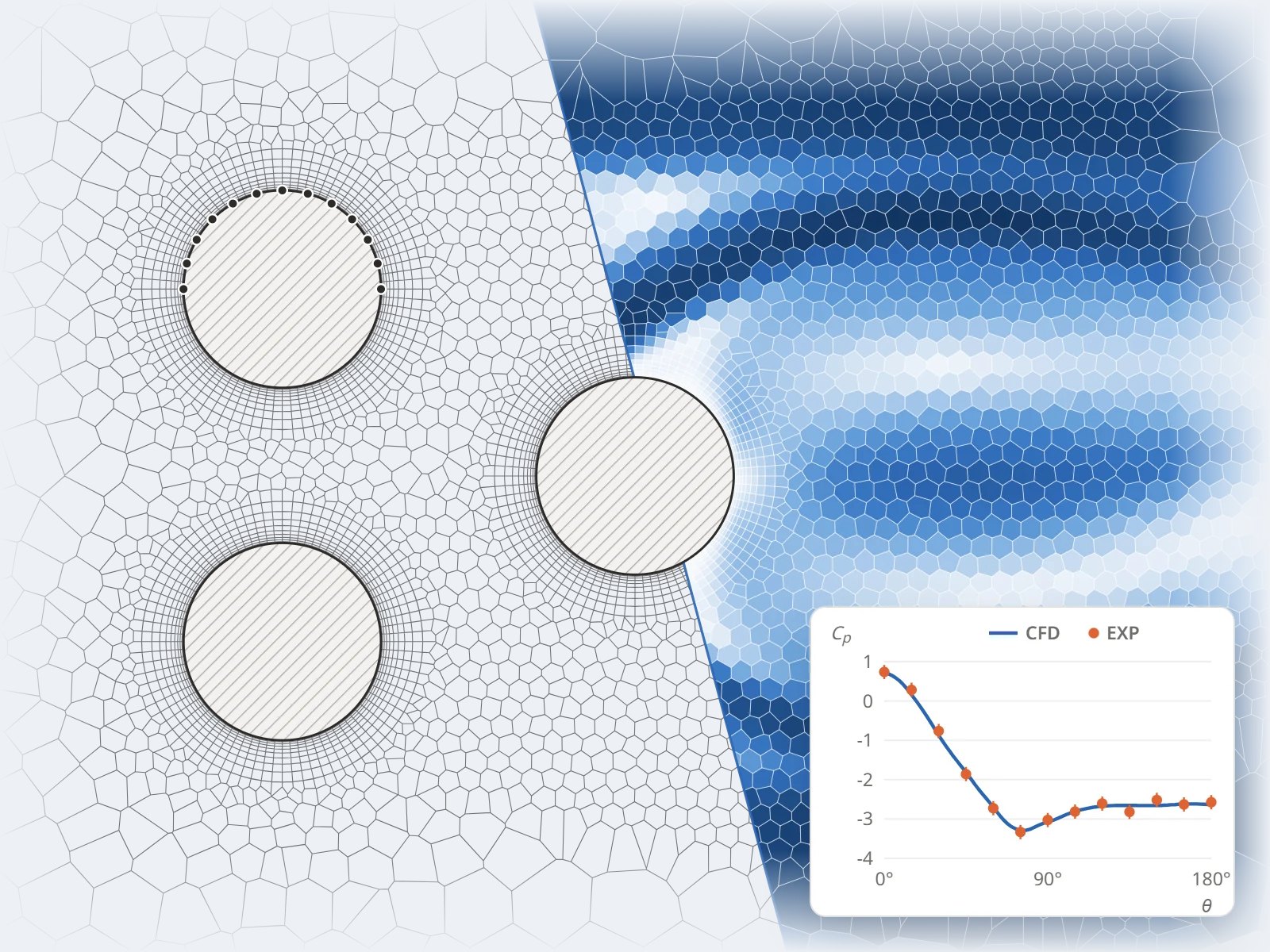
The second step determines whether the model is reliable enough. Projects delivered so far typically take 4–8 weeks for one piece of equipment, including the verification round for the improvement options.
2D equipment drawings, piping ISO drawings, operating conditions. You provide them — CFDWAYS specifies exactly what is needed.
CAD → meshing → physics setup. Calibrated against design data or operating measurements before any analysis.
Velocity, temperature, pressure and phase distribution fields; bottlenecks located by quantitative criteria.
Improvement options are re-run on the same model and KPIs compared before/after — the decision rests on numbers.
Send the drawings and the operating conditions. CFDWAYS replies within 24 working hours on whether it can be solved by simulation, what data is required and the expected timeline.

